
Explore the Role and Importance of Common Reed in Wetland Ecosystems
Dive into an insightful overview of Phragmites australis, exploring its ecological significance, growth characteristics, and impact on wetland habitats, emphasizing its adaptability and dominance in moist environments.
Comprehensive Insights into Common Reed Statistics
Explore vital data revealing the growth patterns, habitat range, and ecological impact of Phragmites australis.

350
Average Height (cm)
This measurement captures the typical mature height of the Common Reed in optimal wetland conditions.
90
Habitat Spread (%)
Percentage of wetland areas where Common Reed is the dominant vegetation species.
75
Growth Rate (%)
Annual increase rate in Common Reed coverage across surveyed marshlands.
85
Flood Tolerance Level (%)
Represents the resilience and survival rate of Common Reed under prolonged flooding scenarios.
Discover the Diverse Habitats of Common Reed
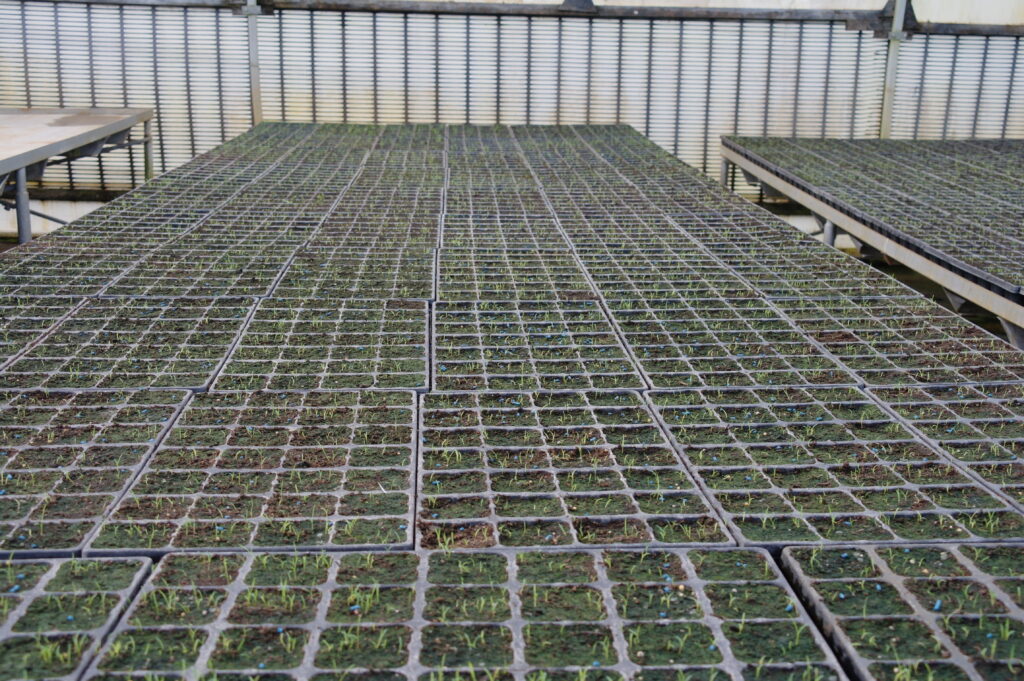
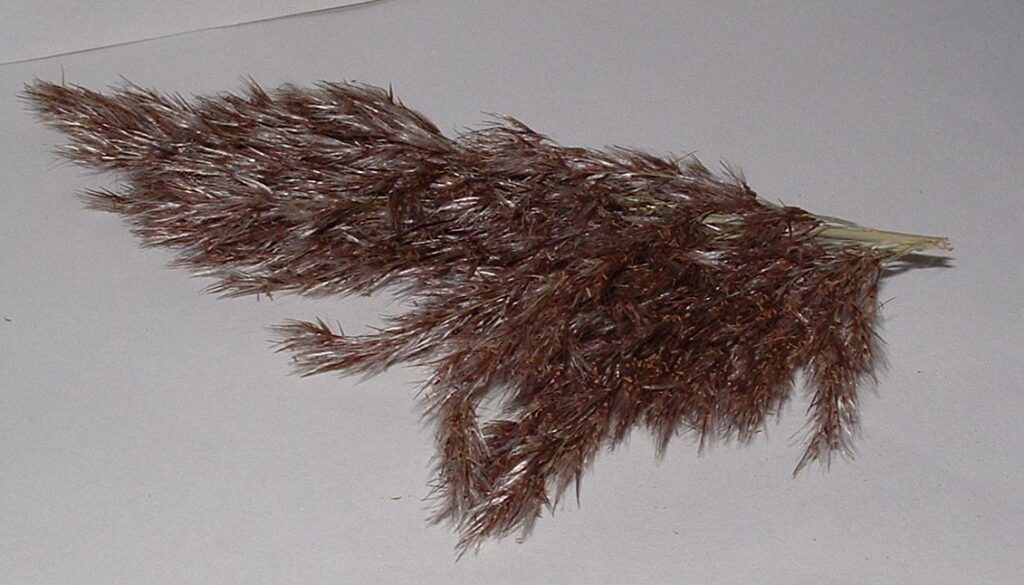
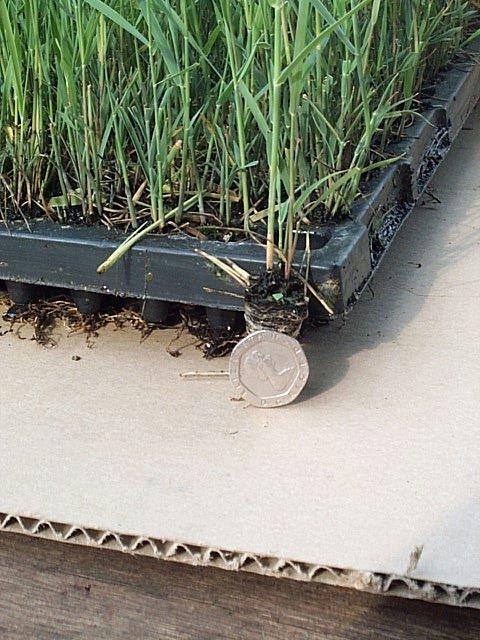
Delve into a selection of visuals capturing the unique characteristics and environments where Phragmites australis thrives.


Common Reed Overview
Explore detailed information about Phragmites australis, a dominant perennial grass thriving in wet environments.
Habitat and Growth
Understand where and how Common Reed flourishes, reaching up to 3.5 meters tall.

Ecological Impact
Discover the role Common Reed plays in ecosystems and its effects on biodiversity.
Uses and Management
Gain insights into practical uses and control methods for Common Reed.
What is the Common Reed?
Find detailed explanations about the habitat, growth, and uses of Phragmites australis here.
Where does Common Reed typically grow?
Common Reed thrives in wetlands, marshes, and along riverbanks with moist soil.
How tall can the Common Reed grow?
It can reach impressive heights up to 3.5 meters in favorable conditions.
What ecological role does the Common Reed play?
It provides habitat for wildlife and helps stabilize wetland ecosystems.
Is the Common Reed invasive?
In some regions, it can spread aggressively, impacting native plant species.
Can Common Reed be used by humans?
Yes, it is used in traditional crafts, thatching, and as biofuel material.
How does Common Reed reproduce?
It propagates through seeds and extensive rhizome networks underground.